


How Restorative Justice Can Help Families Move Through Conflict
Conflict is a natural part of family life. No matter how close we are, misunderstandings happen, feelings get hurt, and old patterns can resurface. Many families try to avoid conflict or push through it quickly, hoping things will resolve on their own. But often, unresolved tension just settles beneath the surface — growing heavier over time.

How to Have Difficult Conversations in Polarized Times
Difficult conversations aren’t about “winning”—they’re about understanding. The more we practice, the better we get at having real, meaningful dialogue in an increasingly divided world.

Lessons from Global Conflicts on Peacebuilding
By integrating these conflict resolution strategies from global peacebuilding efforts into our personal interactions, we can cultivate healthier relationships and contribute to a more peaceful and understanding world.

How Language Shapes Our Perception - The Word Conflict
Our perspective is often shaped by the origins and meanings of words. For instance, the word for conflict in English and Japanese have far different connotations, influencing how each culture approaches disagreement and resolution.
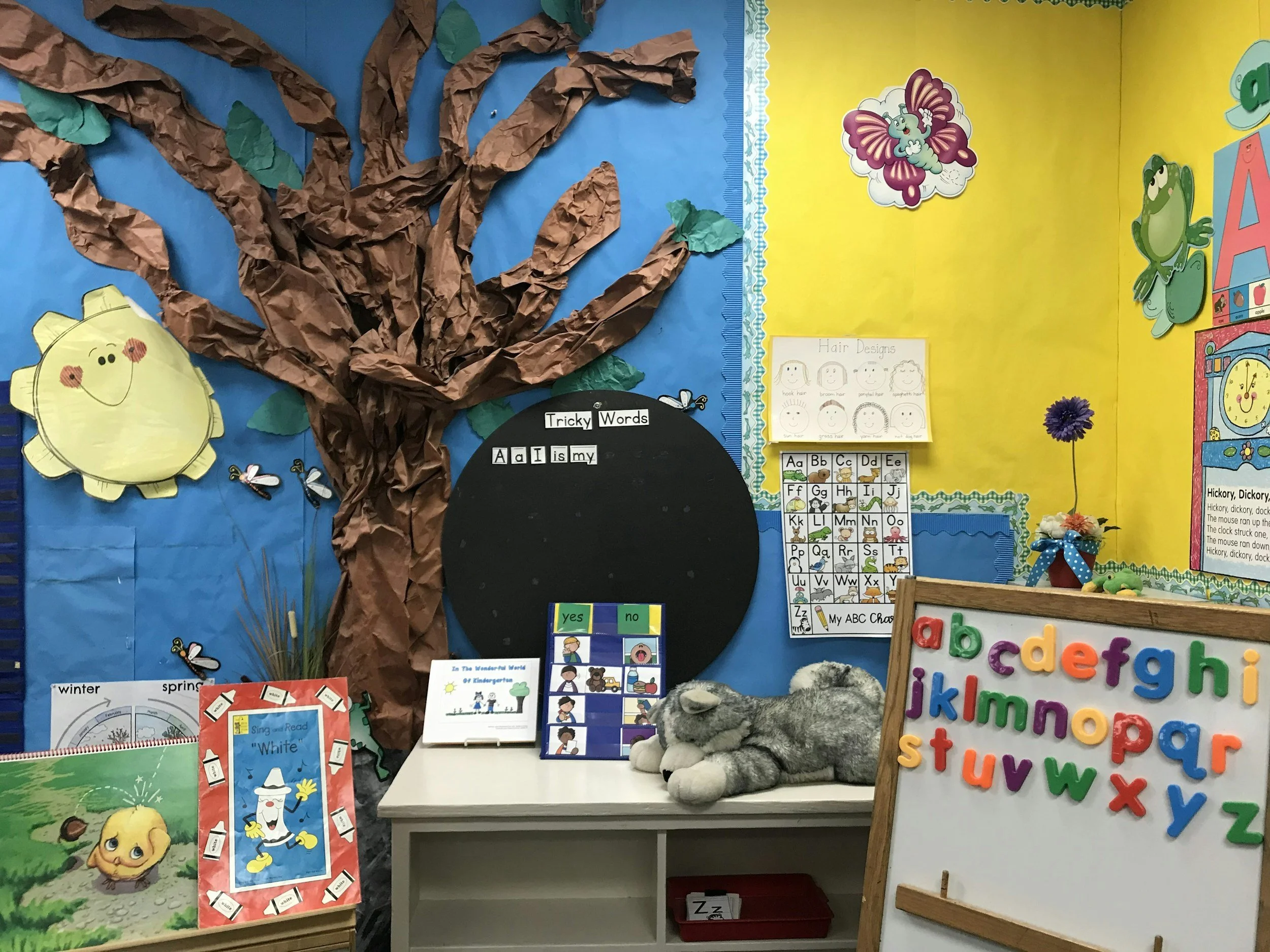
Educational Equity Begins at Home: How Families Can Advocate for Inclusive Schools
Every child deserves a school environment where they feel seen, supported, and valued. While teachers and school leaders play a critical role in creating inclusive spaces, families are powerful partners in pushing for equity in education.

Understanding Your Child’s Educational Rights: A Parent’s Guide to Advocacy in K–12 Schools
Advocacy doesn’t require a degree in law or education—just persistence, compassion, and a willingness to speak up.

How to Raise Concerns Without Burning Bridges: Effective Communication with Your Child’s School
Navigating school-related concerns can be emotional and complex, especially when your child’s well-being is at stake. But respectful, thoughtful communication can turn potential conflict into connection.
